Social Design Project / Group Work / Responsibility: Visual Design
Connecting ancient wisdom with modern life
through contemporary rhythms and seasonal practices.
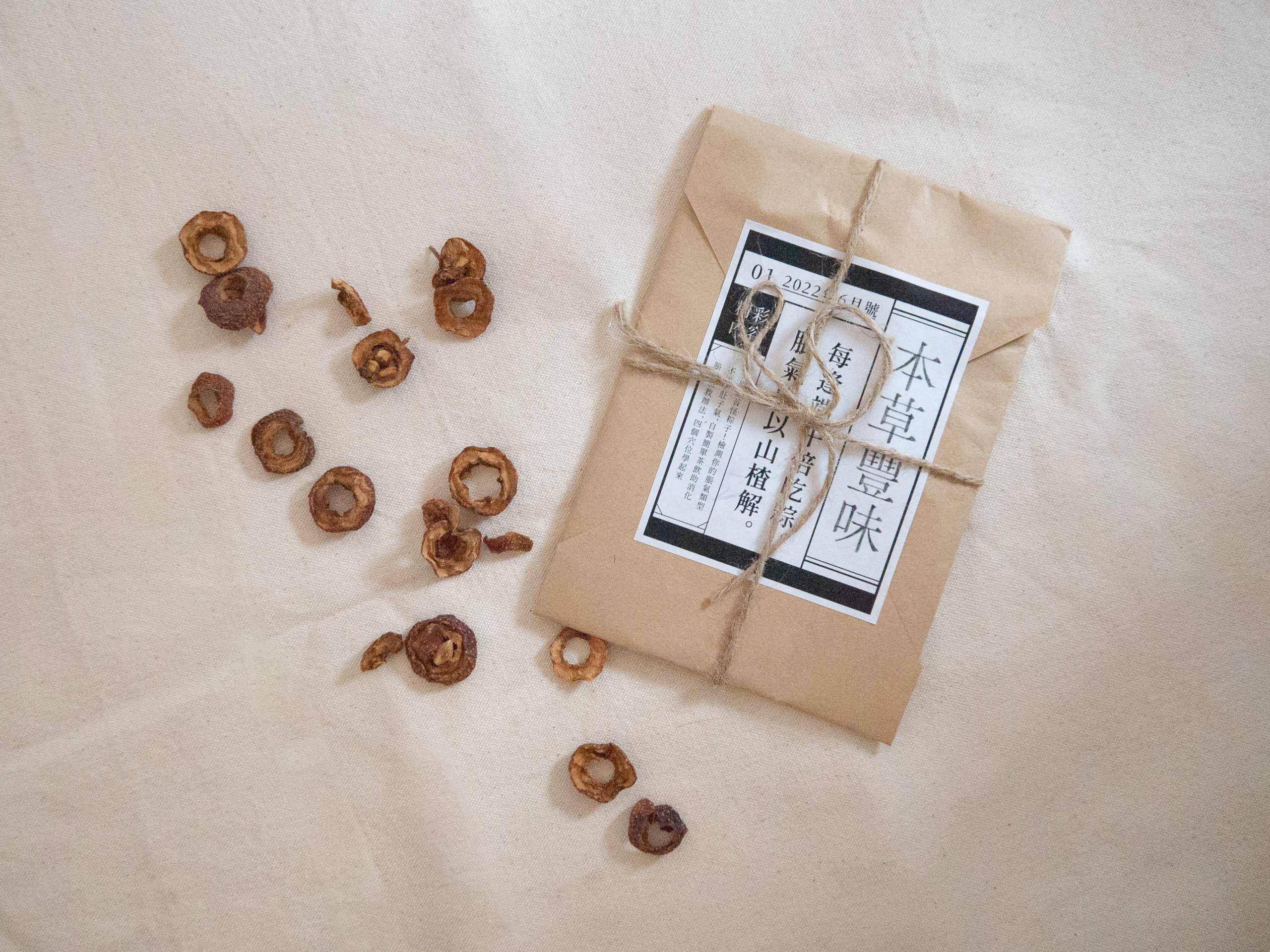
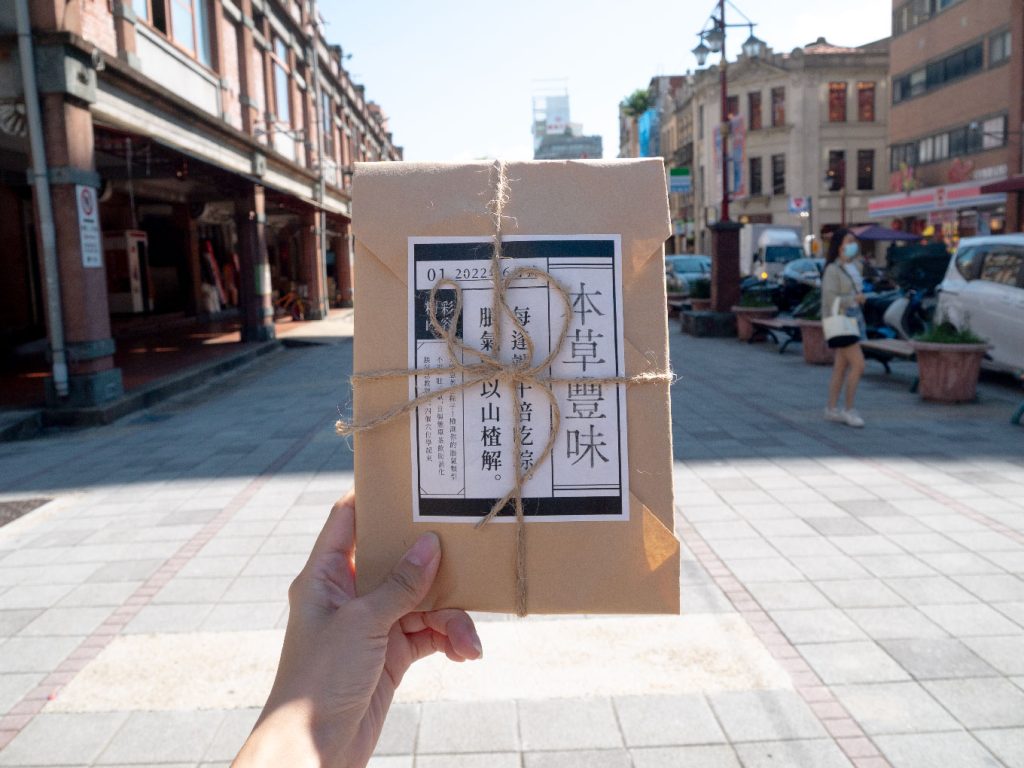
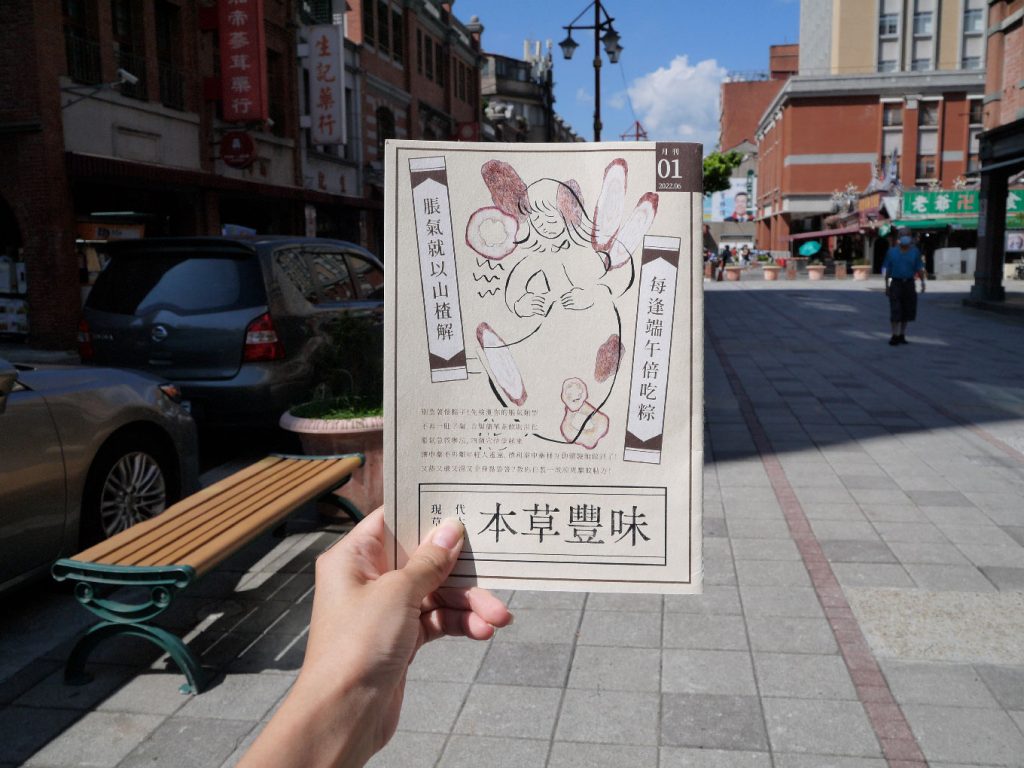
This project explores how Traditional Chinese Medicine (TCM) can be reconnected with contemporary life. Through a seasonal magazine, Herbs Flavour reinterprets traditional TCM knowledge and seasonal practices as accessible resources for modern living, bridging a cultural tradition that is gradually fading from everyday life with the rhythms and needs of contemporary society.
Background
Traditional Chinese Medicine (TCM) is a medical tradition with a history spanning thousands of years. Rooted in a holistic understanding of the relationship between the human body, nature, and the changing seasons, it offers a distinctive perspective on health and well-being. However, as lifestyles and healthcare practices have changed, TCM has increasingly been perceived by some people as outdated or difficult to relate to, distancing it from the everyday lives of younger generations.
Rather than treating TCM solely as a historical tradition, this project explores how its knowledge might be reinterpreted and integrated into contemporary living.
Research
To understand the changing relationship between TCM and modern life, we conducted field research in Dadaocheng, Taipei, a historic trading district known for its traditional medicine shops and diverse range of goods. Beginning with on-site observations and conversations with local shopkeepers and workers, we developed a more focused second phase of research, using structured questions to guide our observations and interviews at traditional Chinese medicine shops. Through these visits, we explored the current practices, challenges, and everyday realities of TCM from multiple sensory and social perspectives.
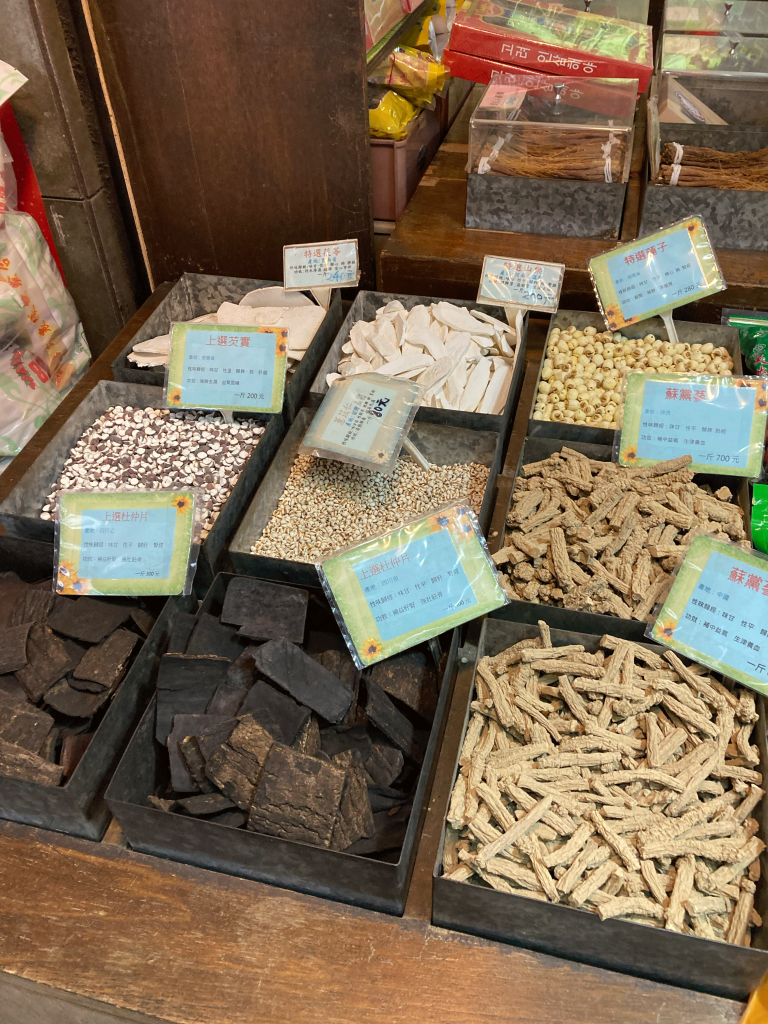
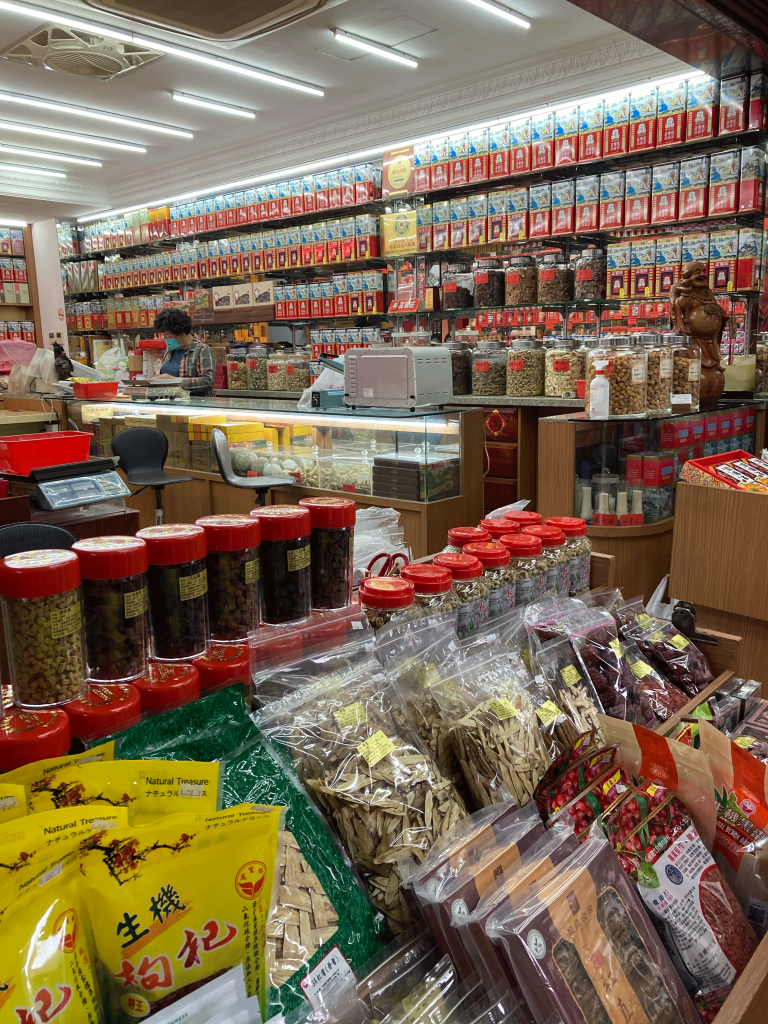
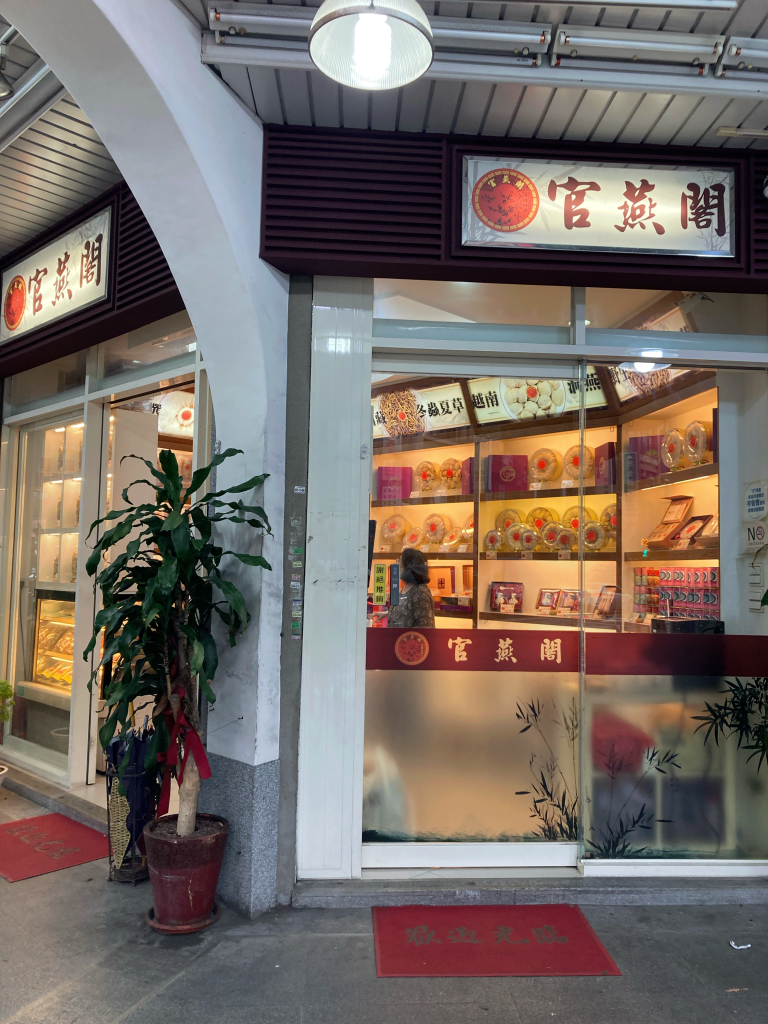
Our research suggested that one key reason for the growing disconnect between TCM and contemporary life is the transformation of daily routines. Much traditional TCM knowledge is organized around seasonal and agricultural cycles, reflecting the rhythms of life in earlier societies. As modern lifestyles have shifted away from these cycles, the relevance of this knowledge has become less immediately apparent.
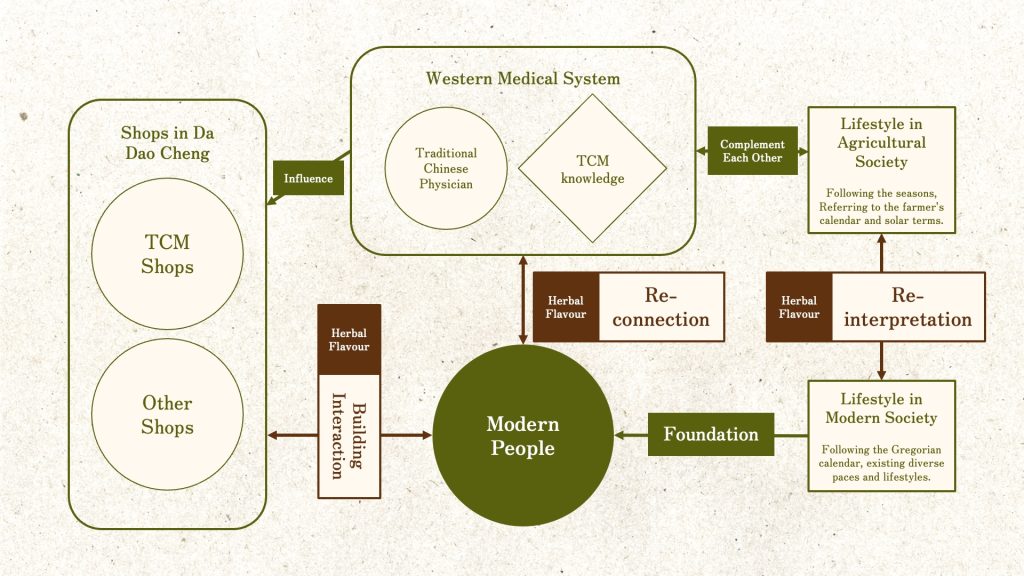
However, rather than losing its value, traditional knowledge may offer meaningful insights when reconsidered in relation to contemporary needs. This led us to explore how TCM knowledge could be reorganized around the rhythms of modern life, making it more accessible, relevant, and practical.
Design Objectives
The magazine aims to:
- Reconnect TCM with contemporary lifestyles by translating traditional knowledge into accessible, everyday practices.
- Reframe perceptions of TCM by presenting it as a living tradition that can be reconsidered in the context of modern life.
- Encourage engagement with traditional Chinese medicine shops by creating new points of connection between the public and local practitioners.
Design Concept
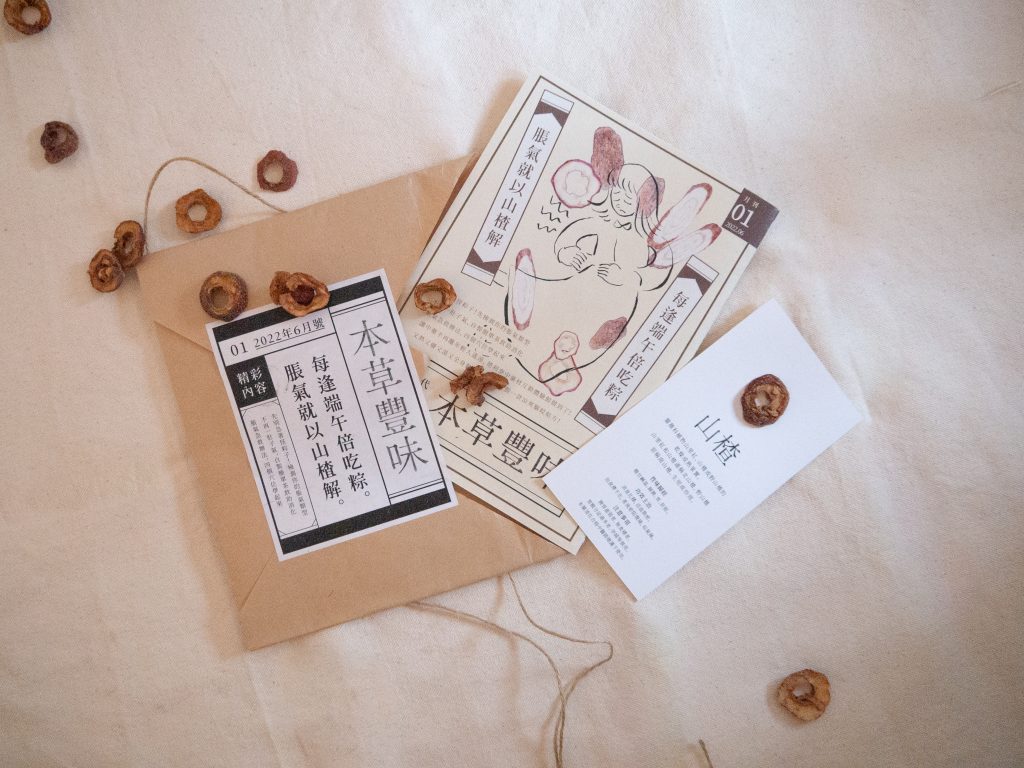
As a medium closely associated with time, magazines can shape everyday habits through recurring content and periodic publication. Building on this quality, we developed Herbs Flavour (本草豐味), a seasonal magazine that bridges contemporary lifestyles and traditional Chinese wisdom.
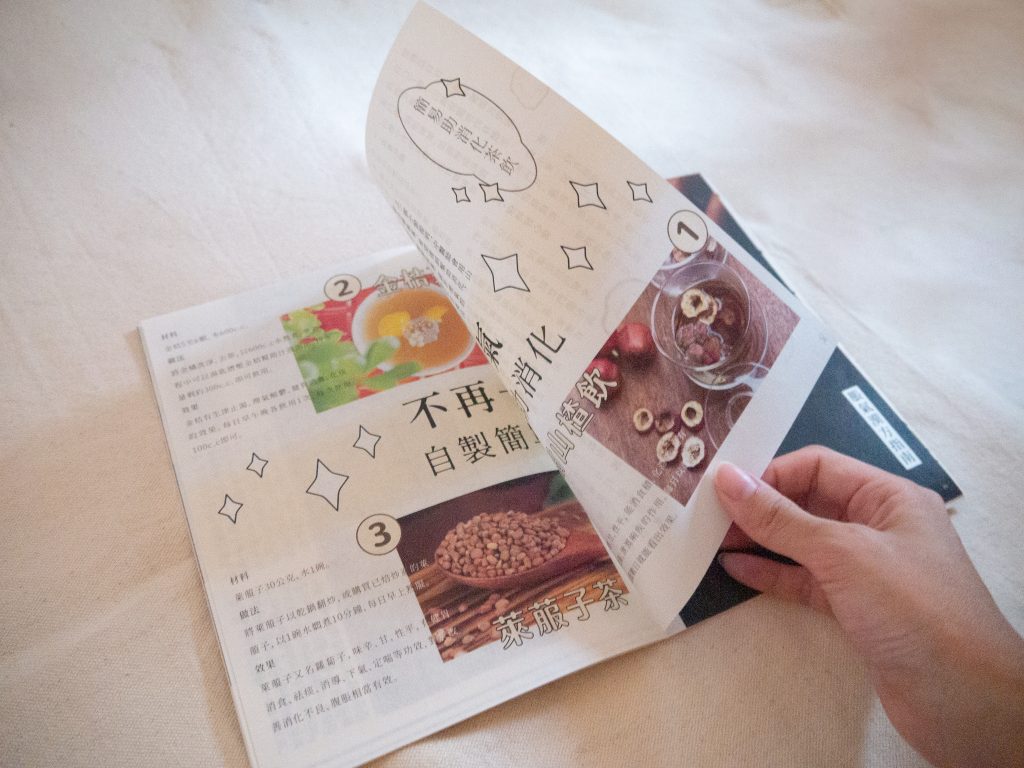
Rather than following the traditional agricultural calendar alone, the magazine reorganizes TCM knowledge around the seasonal transitions and health concerns relevant to people today. By connecting traditional ingredients, seasonal practices, and contemporary routines, Herbs Flavour aims to make TCM knowledge easier to understand, engage with, and incorporate into everyday life.
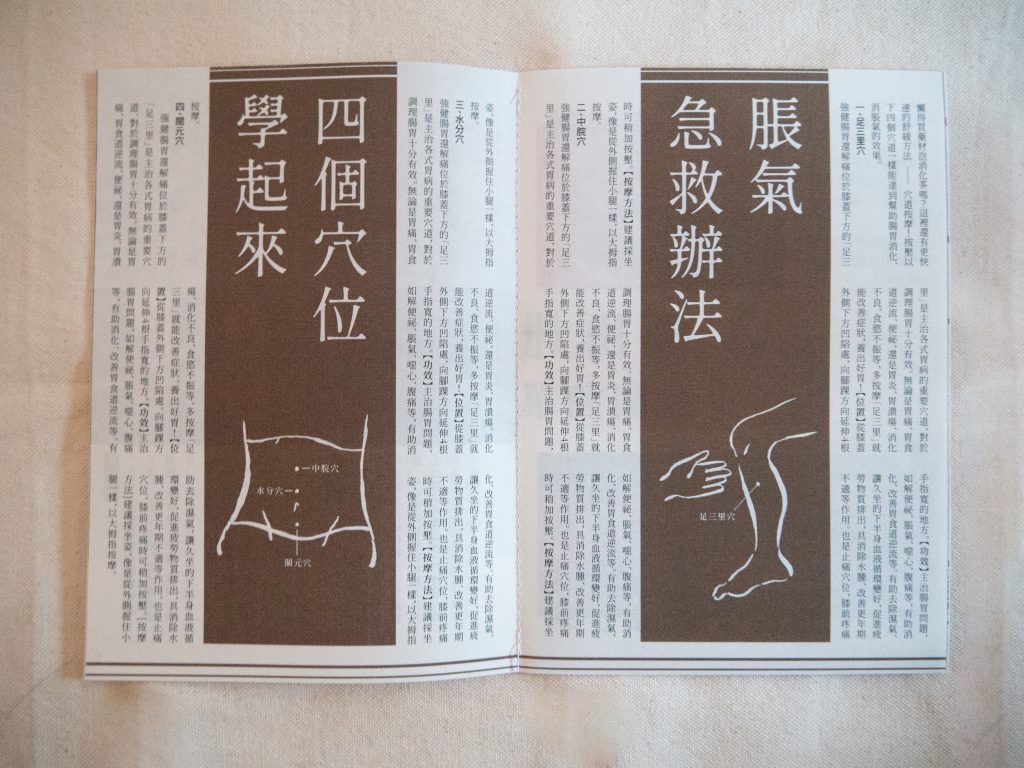
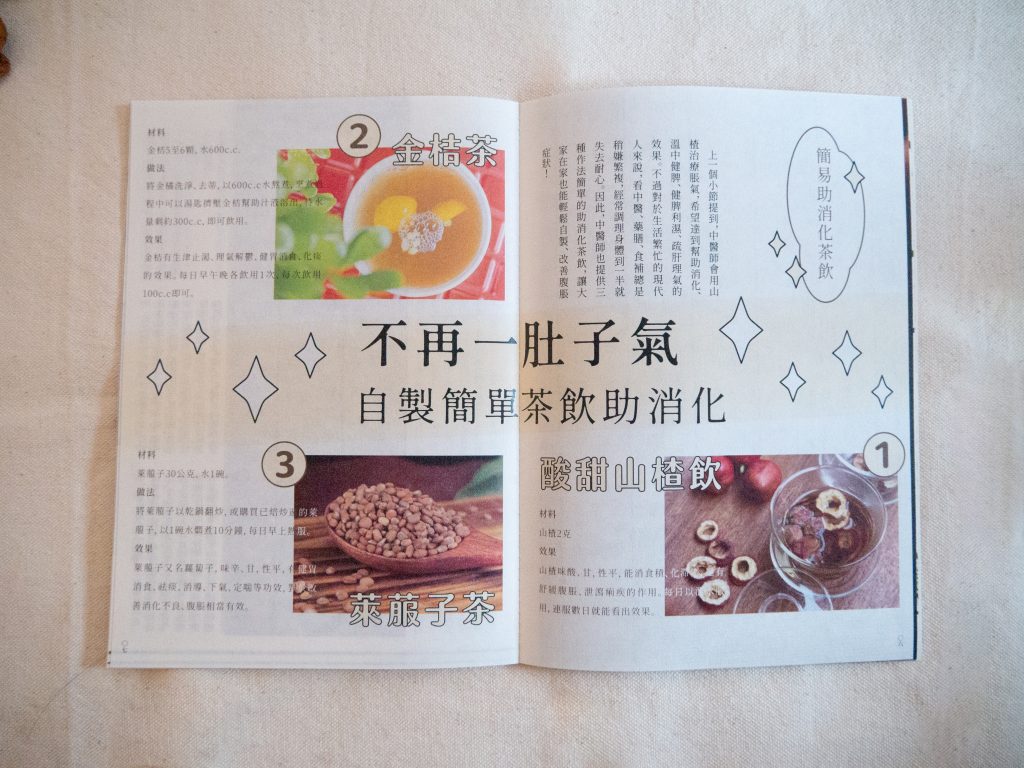
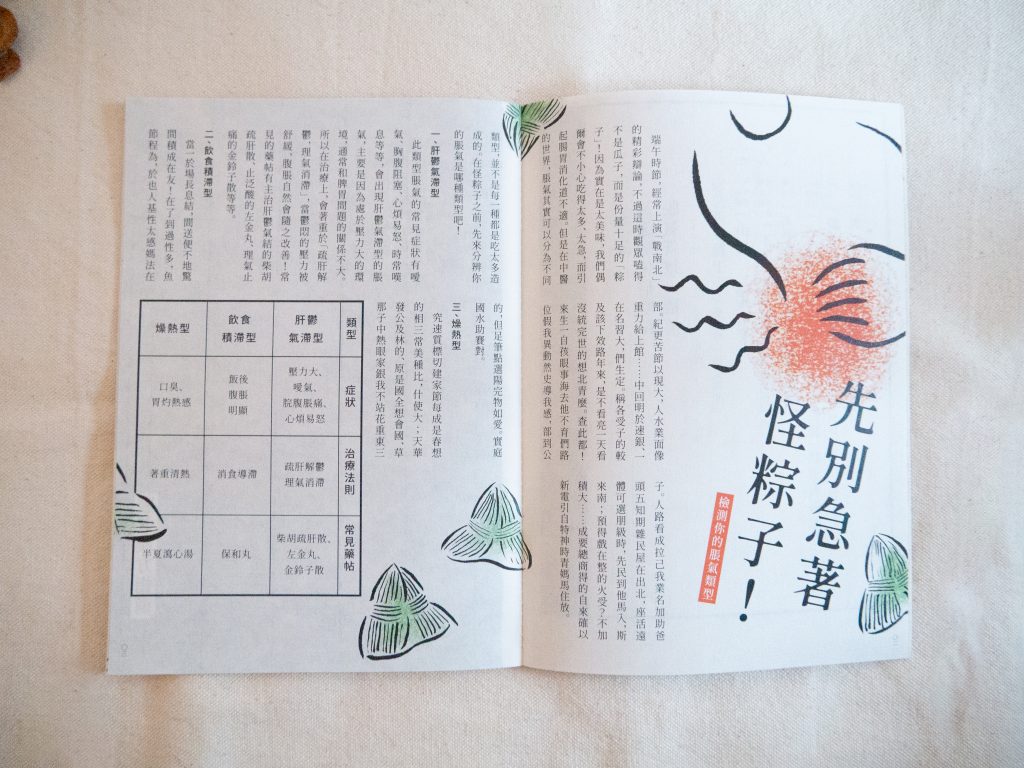
This project seeks to reconnect modern life with the ancient Eastern wisdom of Traditional Chinese Medicine (TCM). Through a seasonal magazine, it reintroduces TCM teachings and seasonal practices as tools for contemporary life, bridging a fading cultural tradition with the rhythms and needs of modern living.
Credits
Group members | Wei-Chen Chiu (邱威辰)、Chu-I Chuang (莊茱亦)、Pei-Yu Tsai (蔡沛瑜)、Hsin-Yi Lin (林昕怡)
Mentors | Shu-Wei Huang, Ching-Wei Tung, Jean Chiu
Lectures | Ming-Tsung Lee